Healthy, glowing skin isn’t just about following trends—it’s about using ingredients that are proven, safe, and effective. One such ingredient that has stood the test of time is zinc oxide. From baby care to advanced skincare routines, zinc oxide for skin has earned a solid reputation for its protective and healing properties.
In this detailed guide, we’ll explore zinc oxide for skin benefits, uses, and side effects in a clear, practical way. Whether you’re dealing with acne, sun sensitivity, or looking for gentle daily protection, this article will help you decide if zinc oxide deserves a place in your skincare routine.
What Is Zinc Oxide?
Zinc oxide is a naturally occurring mineral compound made from zinc. In skincare, it is used as a topical ingredient known for its soothing, protective, and anti-inflammatory qualities. You’ll often find it in creams, ointments, sunscreens, and even cosmetic products designed for sensitive skin.
Unlike many harsh chemical ingredients, zinc oxide for skin works gently while still delivering powerful results.
How Zinc Oxide Works on the Skin
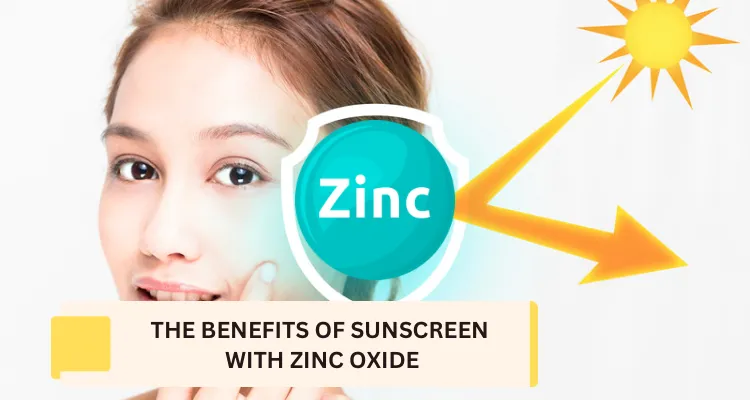
Zinc oxide sits on the surface of the skin and forms a physical barrier. Instead of being absorbed deeply, it protects the skin by reflecting harmful elements away. This makes it especially useful for:
- Shielding skin from UV rays
- Reducing irritation and redness
- Supporting natural skin healing
Because of this barrier-style action, zinc oxide for skin is widely recommended by dermatologists for sensitive and problem-prone skin types.
Top Zinc Oxide for Skin Benefits
Let’s break down the most important zinc oxide for skin benefits and why this ingredient is so widely trusted.
1. Provides Broad-Spectrum Sun Protection
One of the biggest benefits of zinc oxide for skin is its ability to protect against both UVA and UVB rays. Unlike chemical sunscreens that absorb UV rays, zinc oxide reflects them.
Why this matters:
- Helps prevent sunburn
- Reduces premature aging
- Lowers the risk of sun-related skin damage
This makes zinc oxide an excellent choice for daily sun protection.
2. Soothes Sensitive and Irritated Skin
Zinc oxide is known for its calming effect. It’s often used on rashes, redness, and inflamed skin conditions.
Ideal for:
- Sensitive skin
- Post-procedure care
- Skin exposed to pollution or harsh weather
Regular use of zinc oxide for skin can help maintain a calm and balanced complexion.
3. Helps Manage Acne and Breakouts
Many people are surprised to learn that zinc oxide for skin is beneficial for acne-prone individuals. It helps control excess oil while reducing inflammation associated with breakouts.
Key advantages:
- Unclogs pores gently
- Reduces redness around pimples
- Supports faster healing
Because it doesn’t clog pores, zinc oxide is generally considered non-comedogenic.
4. Supports Wound Healing and Skin Repair
Zinc plays a crucial role in skin regeneration. When applied topically, zinc oxide helps speed up the healing process.
It is commonly used for:
- Minor cuts and burns
- Diaper rash
- Post-acne marks
This healing benefit makes zinc oxide for skin a reliable choice for everyday skin emergencies.
5. Safe for All Skin Types
Another major benefit of zinc oxide for skin is its gentle nature. It’s safe for:
- Babies
- Pregnant women
- People with allergies or reactive skin
Because it stays on the surface and doesn’t penetrate deeply, the risk of irritation is low.
Common Uses of Zinc Oxide for Skin
Zinc oxide isn’t limited to one skincare purpose. Its versatility makes it a staple ingredient across multiple products.
1. Sunscreens and Sunblocks
Zinc oxide is a core ingredient in mineral sunscreens. These are often recommended for people who experience irritation from chemical sunscreens.
Best for:
- Daily outdoor use
- Beach and sports activities
- Sensitive or post-treatment skin
2. Diaper Rash and Baby Care
Parents trust zinc oxide for skin protection because it forms a protective layer that prevents moisture damage.
Why it works:
- Prevents friction
- Blocks irritants
- Keeps skin dry and comfortable
3. Treatment for Rashes and Eczema
Zinc oxide’s anti-inflammatory nature helps soothe itchy and irritated skin.
It’s commonly used to relieve:
- Heat rashes
- Mild eczema symptoms
- Contact dermatitis
4. Makeup and Cosmetic Products
Many foundations, powders, and BB creams now include zinc oxide for skin benefits such as oil control and sun protection.
How to Use Zinc Oxide on Skin Properly
To get the best results, correct usage is essential.
General Application Tips
- Apply a thin, even layer on clean skin
- Use during the day for sun protection
- Reapply if exposed to water or sweat
For Acne-Prone Skin
- Use zinc oxide as a spot treatment
- Apply at night for calming effects
- Avoid layering with heavy products
For Sensitive Skin
- Patch test before full use
- Choose fragrance-free formulations
- Use consistently for best results
Zinc Oxide Side Effects You Should Know
While zinc oxide for skin is generally safe, it’s important to be aware of potential side effects.
1. White Cast on Skin
One of the most common concerns is the white residue zinc oxide can leave behind, especially on deeper skin tones.
Tip: Look for micronized or tinted formulas to minimize this effect.
2. Mild Dryness
In some cases, zinc oxide may slightly dry the skin.
Solution:
- Use a moisturizer underneath
- Avoid over-application
3. Rare Allergic Reactions
Although uncommon, some people may experience itching or redness.
Always:
- Do a patch test
- Stop use if irritation occurs
Overall, zinc oxide side effects are minimal compared to many other skincare ingredients.
Zinc Oxide vs Chemical Alternatives
Many people wonder whether zinc oxide is better than chemical-based skincare ingredients.
Zinc Oxide Advantages:
- Gentle and non-irritating
- Immediate protection
- Suitable for sensitive skin
Chemical Ingredients May:
- Cause irritation
- Take time to activate
- Penetrate deeper into the skin
This comparison explains why zinc oxide for skin remains a preferred choice for many users.
Who Should Use Zinc Oxide for Skin?
Zinc oxide is suitable for:
- People with acne-prone skin
- Individuals with sun sensitivity
- Children and elderly users
- Anyone looking for gentle daily protection
If you prefer skincare with minimal risk and maximum benefits, zinc oxide is worth considering.
Final Thoughts: Is Zinc Oxide Good for Your Skin?
Zinc oxide for skin offers an impressive range of benefits—from sun protection and acne control to soothing irritation and supporting healing. Its gentle nature, proven effectiveness, and wide usability make it a standout ingredient in modern skincare.
If you’re looking for a safe, reliable, and multi-purpose skincare solution, incorporating zinc oxide into your routine can be a smart move. Choose high-quality products, use them correctly, and enjoy healthier, more protected skin every day.
Frequently Asked Questions (FAQs)
1. Is zinc oxide safe for daily use on the face?
Yes, zinc oxide for skin is safe for daily facial use, especially in sunscreens and soothing creams designed for sensitive skin.
2. Can zinc oxide help with acne scars?
Zinc oxide can support healing and reduce inflammation, which may help improve the appearance of acne scars over time.
3. Does zinc oxide clog pores?
No, zinc oxide is generally non-comedogenic and suitable for acne-prone skin when used in the right formulation.
4. Can zinc oxide be used on oily skin?
Yes, zinc oxide helps control excess oil and calm breakouts, making it beneficial for oily skin types.
5. How long does zinc oxide take to show results on skin?
Some benefits, like soothing irritation and sun protection, are immediate. Long-term results, such as improved skin texture, may take a few weeks of consistent use.