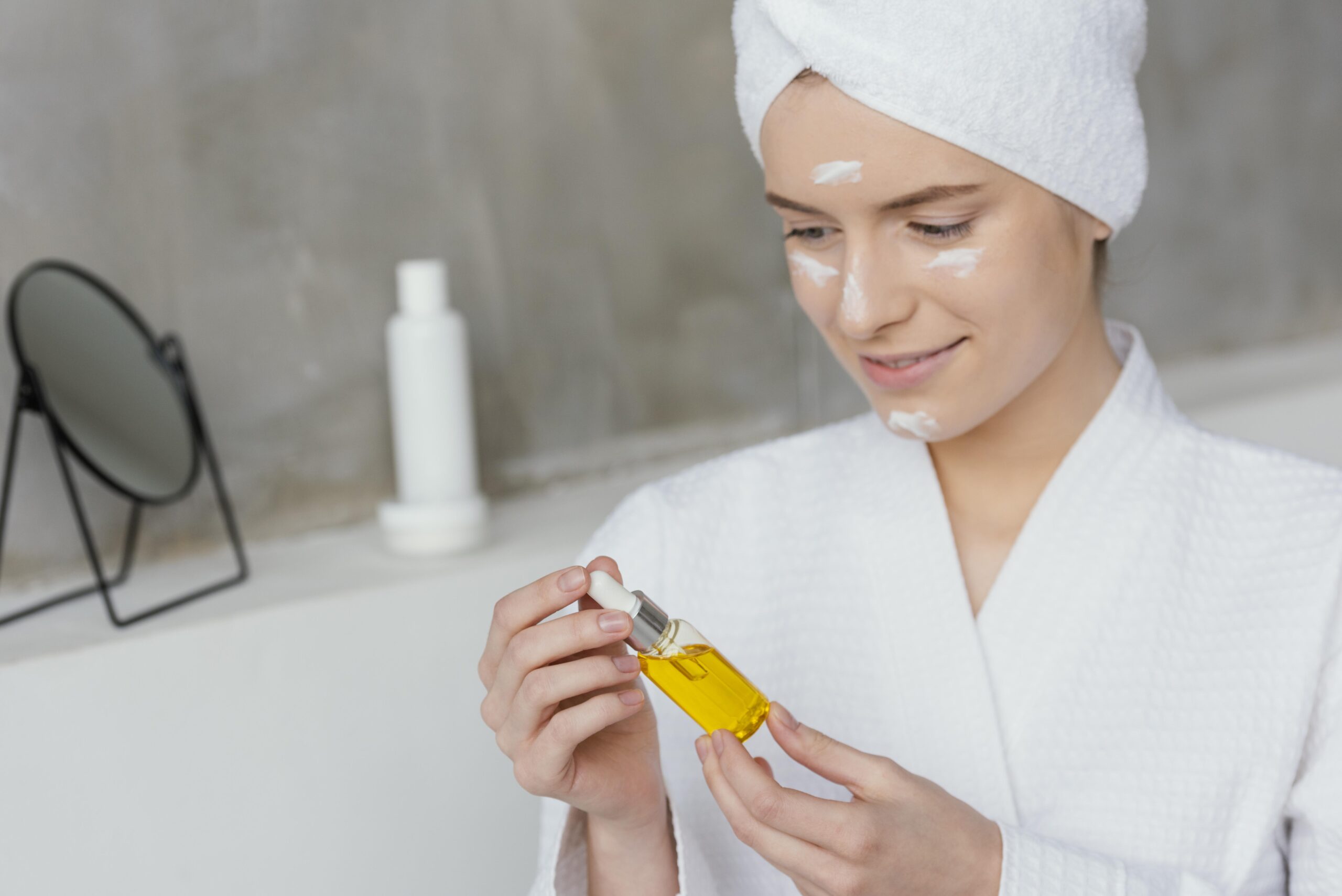
Healthy skin is more than just appearance—it’s comfort, confidence, and overall well-being. If you’re dealing with persistent breakouts, sudden allergic reactions, or chronic eczema flare-ups, you already know how frustrating skin problems can be. The good news? With the right knowledge and care approach, acne allergy eczema repair for skin is absolutely achievable.
This in-depth guide is designed to help you understand the root causes of these conditions, learn how to repair damaged skin barriers, and adopt practical, science-backed strategies that truly work. Whether your skin feels inflamed, itchy, sensitive, or scarred, this article will walk you step by step toward healthier, calmer skin.

Understanding the Connection Between Acne, Allergies, and Eczema
At first glance, acne, allergies, and eczema may seem like separate skin issues. In reality, they often share common triggers—especially when the skin barrier is weakened.
What Links These Skin Conditions Together?
- Compromised skin barrier
- Inflammation and immune overreaction
- Environmental triggers
- Harsh skincare products
- Stress and hormonal imbalance
When your skin barrier is damaged, it becomes more vulnerable to bacteria, allergens, and irritants. This is why a comprehensive acne allergy eczema repair for skin approach focuses on healing the barrier first, not just treating symptoms.
Acne Repair: Healing Beyond Breakouts
Acne isn’t only about pimples—it’s an inflammatory condition that can leave long-term damage if not treated correctly.
Why Acne Damages the Skin
- Excess oil clogs pores
- Bacteria trigger inflammation
- Over-drying treatments weaken skin
- Picking causes scars and pigmentation
Skin Repair Tips for Acne-Prone Skin
To support effective acne allergy eczema repair for skin, acne care should focus on balance rather than aggression.
Best practices include:
- Use gentle, sulfate-free cleansers
- Avoid alcohol-based toners
- Choose non-comedogenic moisturizers
- Protect skin from sun exposure
- Support healing with barrier-repair ingredients
Hydration plays a crucial role. Well-hydrated skin heals faster and produces less excess oil, reducing future breakouts.
Skin Allergies: Repairing Irritated and Reactive Skin
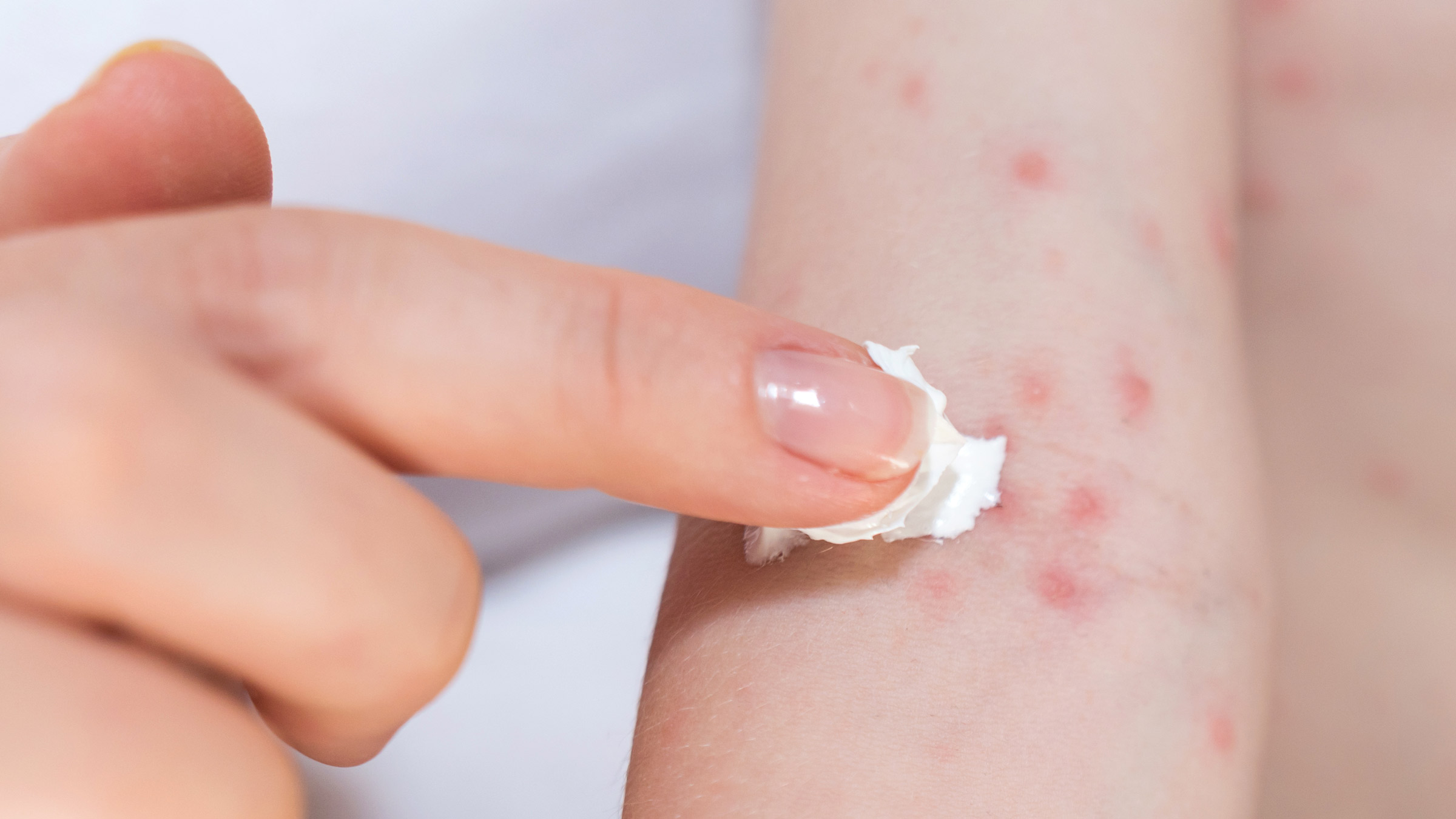
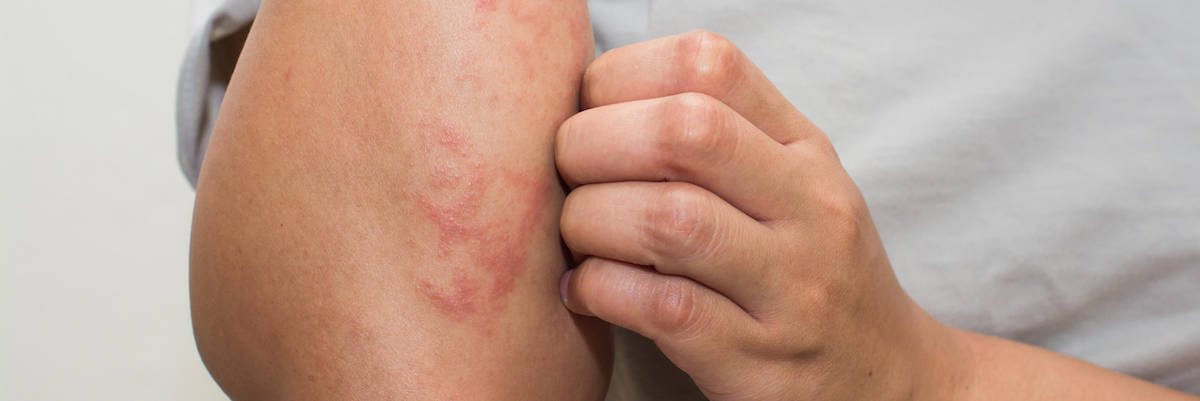
Skin allergies can appear suddenly, even if you’ve used the same products for years. Redness, itching, swelling, and rashes are signs your skin is reacting to something it doesn’t tolerate anymore.
Common Triggers of Skin Allergies
- Fragrances and preservatives
- Harsh detergents
- Environmental pollutants
- Climate changes
- Stress-related immune responses
How to Repair Allergy-Affected Skin
A successful acne allergy eczema repair for skin routine must calm inflammation and strengthen the skin’s natural defense.
Key steps include:
- Switch to fragrance-free skincare
- Use lukewarm water when cleansing
- Avoid excessive exfoliation
- Apply soothing, barrier-repair creams
- Patch-test all new products
Consistency matters more than complexity. Fewer, gentler products often lead to better results for allergy-prone skin.
Eczema Repair: Restoring Comfort to Chronically Dry Skin
Eczema is a chronic condition characterized by dryness, itching, and recurring flare-ups. While it can’t always be cured, it can be effectively managed with the right repair strategy.
Why Eczema Skin Needs Special Care
Eczema-affected skin lacks essential lipids, allowing moisture to escape easily. This leads to:
- Cracks in the skin
- Increased infection risk
- Severe itching
- Long-term sensitivity
Best Practices for Eczema Skin Repair
For long-term acne allergy eczema repair for skin, eczema care should focus on deep nourishment and protection.
Essential eczema-friendly habits:
- Apply moisturizer immediately after bathing
- Choose thick creams over lotions
- Wear breathable fabrics
- Avoid long, hot showers
- Maintain a stable indoor humidity level
Repairing eczema is not about quick fixes—it’s about daily protection and prevention.
The Importance of Skin Barrier Repair
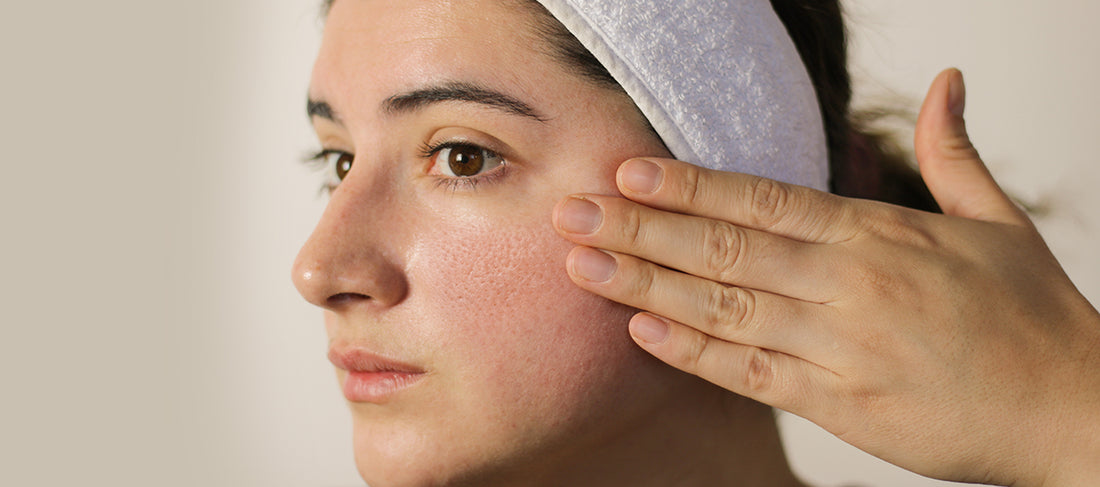
No matter the condition, skin barrier repair is the foundation of effective treatment.
What Is the Skin Barrier?
The skin barrier is your body’s outermost defense layer. It locks in moisture and blocks out irritants, bacteria, and allergens.
When damaged, it leads to:
- Increased sensitivity
- Inflammation
- Slower healing
- Frequent flare-ups
Strengthening the barrier is essential for complete acne allergy eczema repair for skin and long-term skin health.
Lifestyle Habits That Support Skin Repair
Skincare products alone aren’t enough. Your daily habits play a major role in how well your skin heals.
Nutrition for Skin Healing
A skin-friendly diet supports repair from the inside out.
Focus on:
- Hydration through water intake
- Fresh fruits and vegetables
- Healthy fats for moisture balance
- Reduced sugar and processed foods
Stress and Skin Health
Stress increases inflammation and weakens immune response, making acne, allergies, and eczema worse. Gentle exercise, proper sleep, and mindfulness can significantly improve skin repair outcomes.
Common Mistakes That Slow Skin Repair
Even with good intentions, some habits can delay healing.
Avoid:
- Over-cleansing
- Using too many active ingredients
- Frequently switching products
- Scrubbing irritated skin
- Ignoring sunscreen
Simplicity and consistency are key to successful acne allergy eczema repair for skin.
Creating a Gentle Daily Skin Repair Routine
A balanced routine helps prevent flare-ups and supports healing.
Morning Routine:
- Gentle cleanser
- Lightweight moisturizer
- Broad-spectrum sun protection
Evening Routine:
- Mild cleanse
- Repair-focused moisturizer
- Targeted soothing treatments if needed
Stick with a routine long enough to allow your skin to respond—repair takes time.
When to Seek Professional Help
If symptoms persist despite consistent care, consulting a skin specialist can provide tailored guidance. Chronic eczema, severe acne, or unexplained allergic reactions may require medical evaluation.
Early intervention can prevent long-term damage and speed up recovery.
Final Thoughts: Heal, Protect, and Restore Your Skin
Achieving healthy skin doesn’t require harsh treatments or complicated routines. True acne allergy eczema repair for skin comes from understanding your skin’s needs, protecting its barrier, and supporting its natural healing process.
With patience, consistency, and the right approach, you can calm irritation, reduce flare-ups, and restore comfort and confidence to your skin.
Love skincare tips like these? Follow us on Facebook for more product guides and beauty advice!
Frequently Asked Questions (FAQs)
1. Can acne, allergies, and eczema be treated together?
Yes. A unified acne allergy eczema repair for skin approach focuses on strengthening the skin barrier, which benefits all three conditions simultaneously.
2. How long does skin repair take?
Skin repair varies by condition and severity, but visible improvement often appears within 2–6 weeks of consistent care.
3. Is moisturizing necessary for acne-prone skin?
Absolutely. Proper hydration helps balance oil production and supports skin healing, making it essential for acne repair.
4. Why does sensitive skin react to so many products?
A weakened skin barrier allows irritants to penetrate more easily, triggering reactions. Repairing the barrier reduces sensitivity over time.
5. Can lifestyle changes really improve skin conditions?
Yes. Diet, stress management, hydration, and sleep all play a major role in inflammation control and overall skin repair.